Boardroom 207
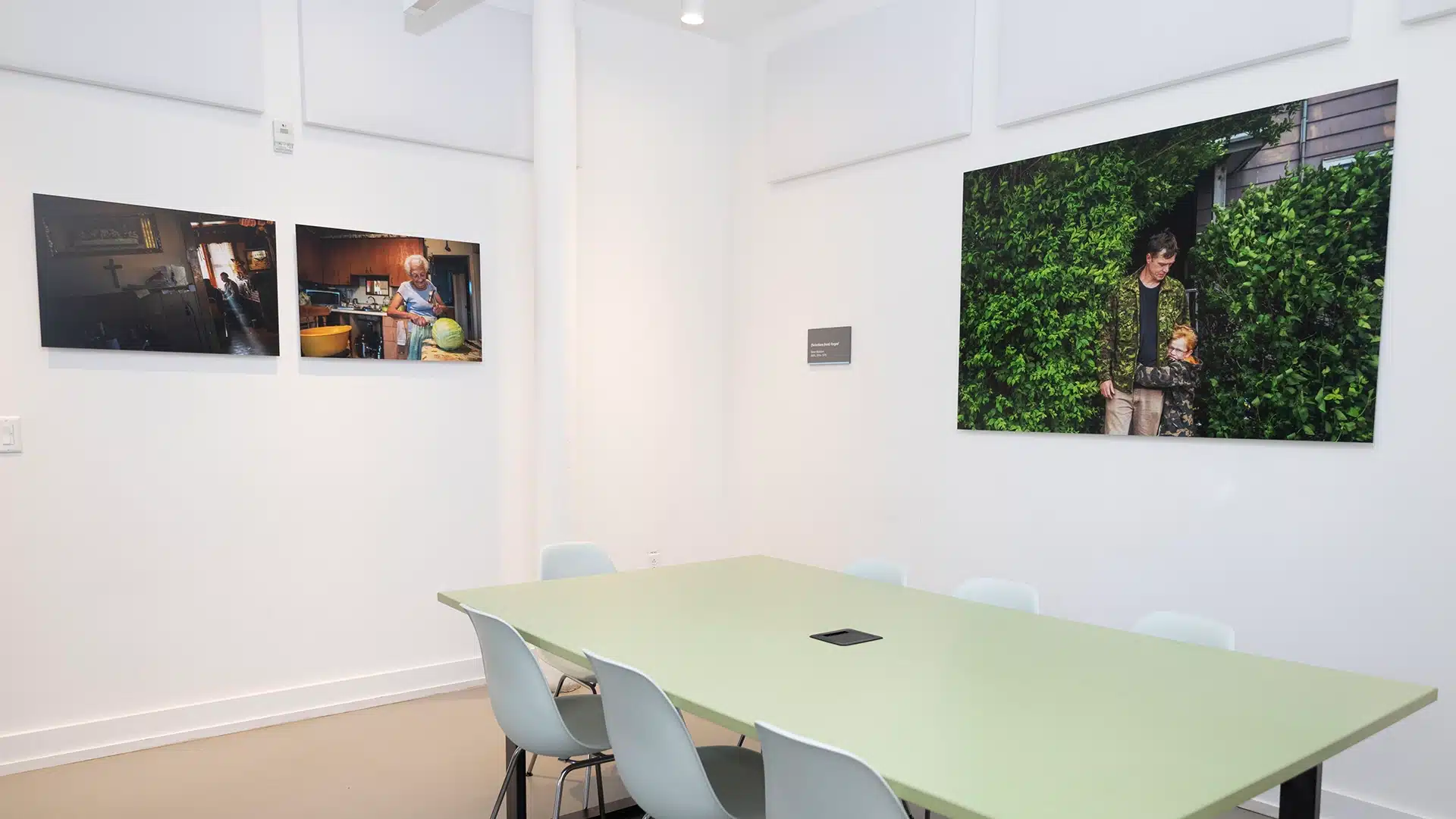
This selection of four photographs from Steve Wadden’s Forged series is displayed inside Boardroom 207, a private meeting and gathering space within Eltuek. As a social enterprise arts centre, we offer affordable bookings for this room at eltuek.ca/booking, with all proceeds helping offset the cost of subsidized artist spaces throughout the building. We ask visitors to be mindful of any meetings or events underway in this space during your visit.
Forged examines the remnants of post-industrialization in Sydney and Whitney Pier with unflinching clarity. The series explores the complex and often profound connections between people and industry, examining economics, cultural identity, politics, environmental impact, and the emotional weight of deindustrialization. It is, at heart, a portrait of a place where the forging of steel led to the forging of culture.
This is the story of a small steel city gone bust. Set in Sydney, Nova Scotia, and its gritty steel working neighbourhood of Whitney Pier, the story features photographs from two separate bodies of work, shot approximately 10 years apart — in 2005 and later in 2014/15. To convey the romance and heartache associated with industrial cultures and their uncertain futures, Forged takes an unflinching look at the visually tangible aftermath of post-industrialization. This intimate work also aims to explore the complex, co-dependent relationships between humanity and industry, touching on economics, cultural identity, politics, the environment, and the industry’s incredible power to shape history. Primarily inspired by Robert Frank’s Welsh mining series of the 1950s, Forged is ultimately intended to serve as both a character tribute and a historical marker for a place where the forging of steel led to the forging of culture. — Steve Wadden
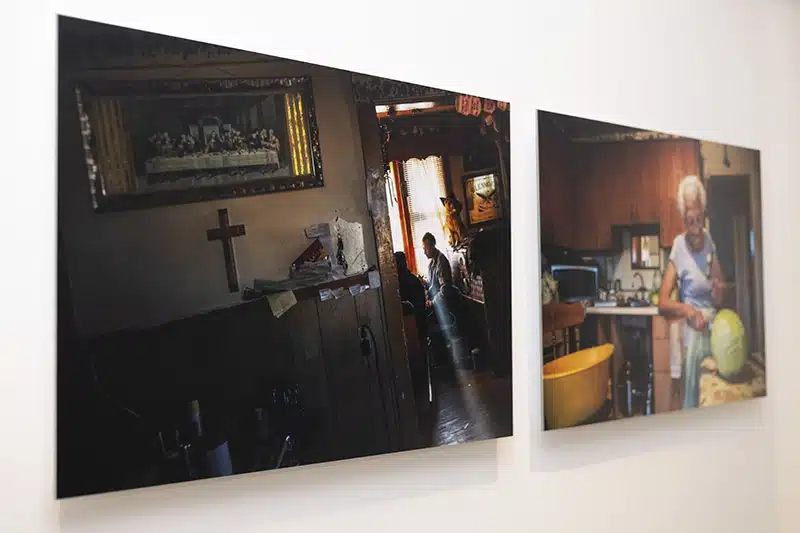
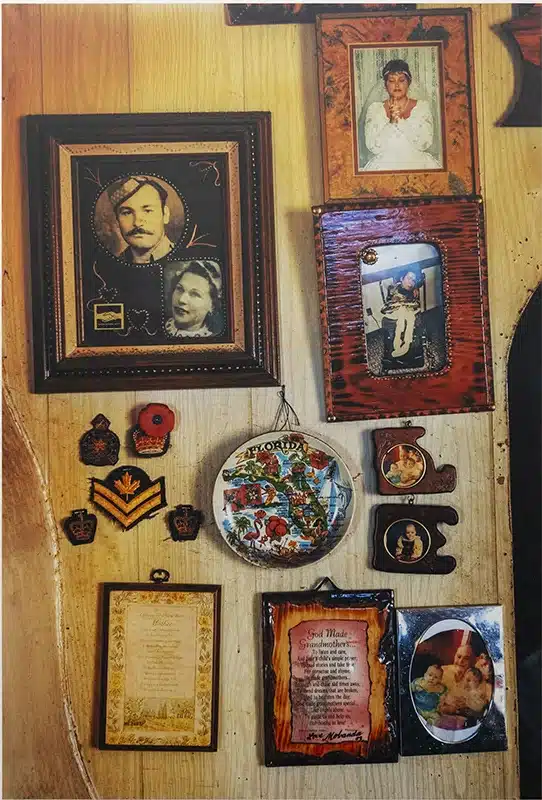
Forged 10 (photos on wall)
Expressions of love and family adorn the walls of an old family home, which was passed down through the generations on the outskirts of Whitney Pier in 2005.
Forged 19 (last supper interior)
Men gather for a drink at an old family home, in 2005, that was passed down through the generations on the outskirts of Whitney Pier.

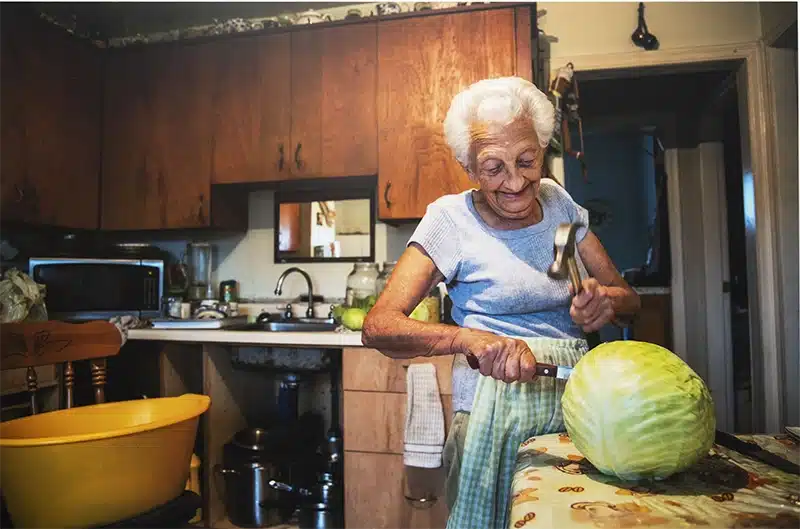
Forged 20 (hammer/knife cabbage)
2014. At age 82, Mary Best uses a hammer to chop cabbage for homemade sauerkraut, made with ingredients from the backyard garden she still tended. Mary lived on Tupper Street in Whitney Pier, in a home she had built with her husband, Byron Best—a steelworker turned military man from Barbados. She often recounted, with pride and determination, the story of digging the foundation of their home by hand while pregnant with the first of their nine children. Mary’s parents were first-generation Ukrainian immigrants who came to Cape Breton in search of a better life. Her father began work at the steel plant in 1947, was injured during construction the following year, and passed away in 1950. Mary grew up in a house her parents built on nearby Frederick Street—a street that was later emptied and demolished during a government relocation program in the late 1990s, amid growing concerns over contamination from the coke ovens site. Her childhood home was among those lost. When buyout offers were extended to residents of Tupper Street, Mary stood her ground. “I told them, I want a million dollars—for the million nails that me and my husband put into this house. It’s worth a million to me,” she said. Mary remained in that home for the rest of her life.
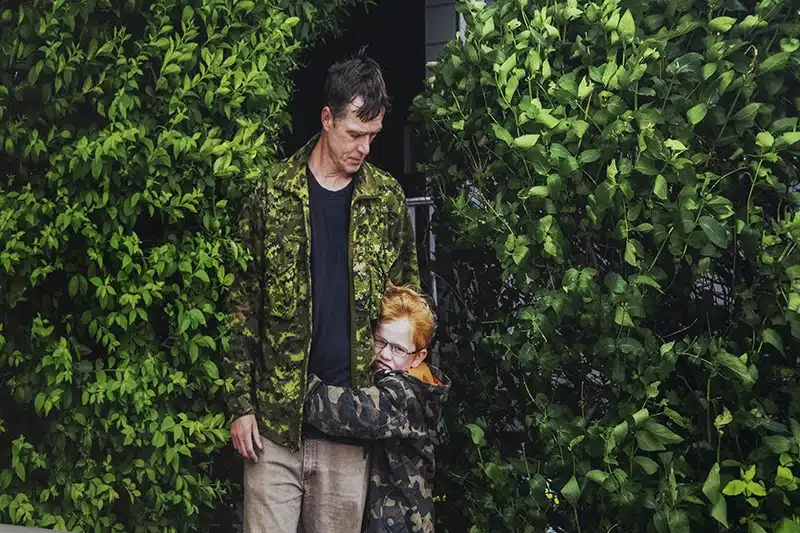
Forged 23 (camo father/son)
Father and son stand for a portrait while visiting family in Whitney Pier in 2014.